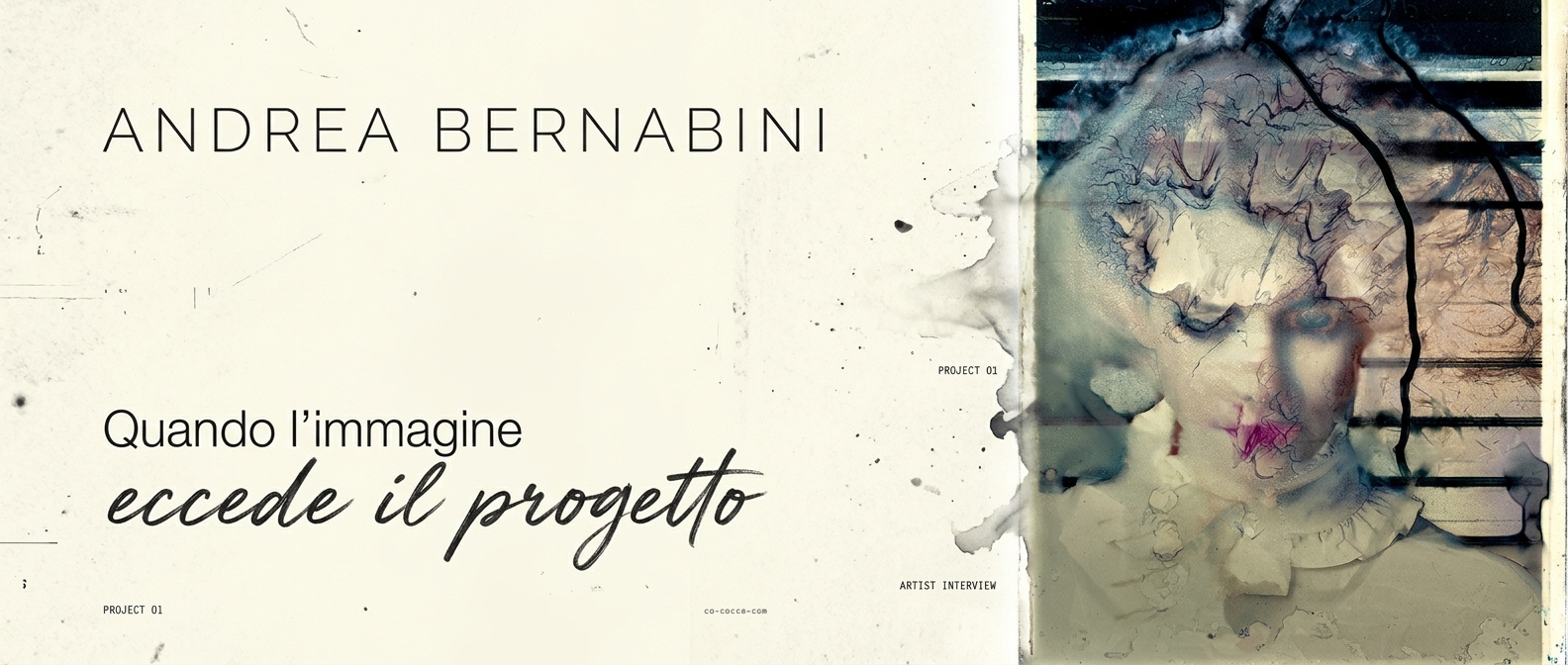
Ogni processo creativo comporta una quota di scarto tra ciò che si intende realizzare e ciò che, nel corso del lavoro, prende effettivamente forma. Nell’immagine questa distanza assume un rilievo particolare: la materia fotografica reagisce, gli strumenti introducono variabili, le procedure producono esiti che non sempre corrispondono alle previsioni iniziali. È proprio in questa discrepanza che la ricerca può trovare nuove direzioni. Andrea Bernabini ne fa un elemento costitutivo della propria pratica, riconoscendo all’accadimento un ruolo che supera quello di semplice incidente tecnico.
La sua esperienza attraversa linguaggi e dispositivi differenti, dalla fotografia analogica alle elaborazioni digitali, dal video alle installazioni multimediali. Sarebbe tuttavia riduttivo leggere questa pluralità come una successione di sperimentazioni tecnologiche. Il dato più interessante risiede nel modo in cui ciascun mezzo viene scelto in rapporto alla questione da affrontare. Non è il linguaggio a determinare in anticipo l’opera; è il problema creativo a suggerire gli strumenti più adatti alla sua elaborazione. Una distinzione che sottrae la sua ricerca a una classificazione puramente formale e restituisce centralità al processo.
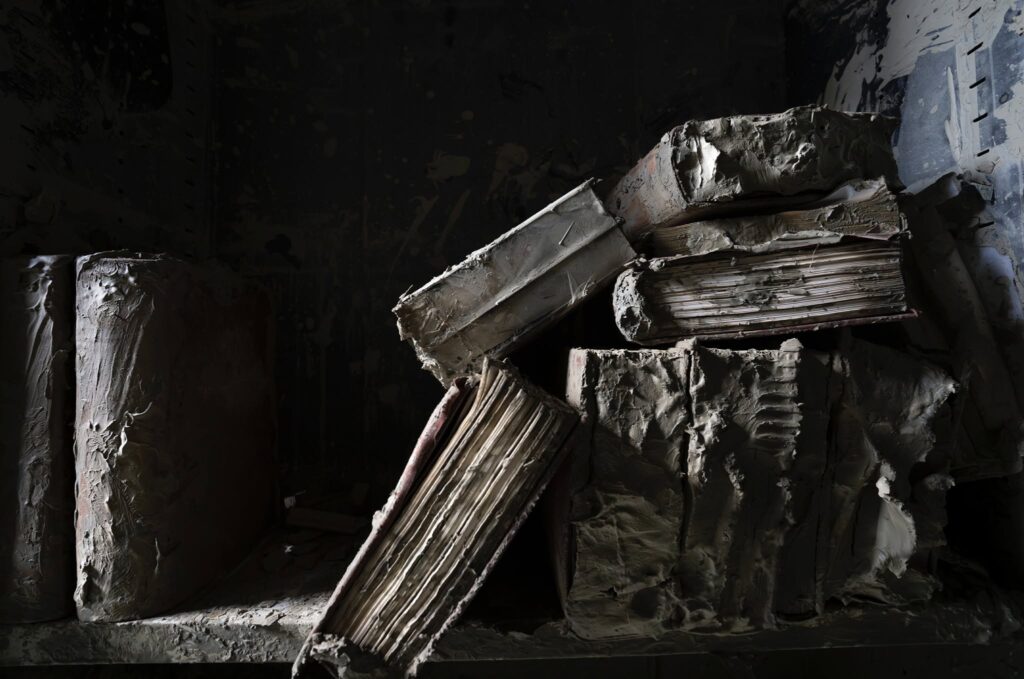
In questa prospettiva, anche l’errore acquista un significato diverso. Non rappresenta necessariamente una deviazione dal percorso previsto: può modificare le regole dell’operazione, introdurre elementi inattesi, suggerire una soluzione che la sola progettualità non avrebbe contemplato. La materia alterata, il segno compromesso, l’immagine sottoposta a manipolazione diventano così parte di un’indagine sulle possibilità stesse della forma. Non sorprende che Bernabini abbia dedicato a questo tema il progetto L’estetica del danno, nel quale l’alterazione assume una precisa valenza espressiva.
Accanto alla ricerca sperimentale, la sua fotografia autoriale conserva una vocazione documentativa, poetica e minimale. Due direzioni che non vanno confuse, ma che permettono di comprendere l’ampiezza del suo rapporto con l’immagine: da una parte l’intervento sulla materia, dall’altra l’attenzione a una realtà che non necessita necessariamente di effetti per acquisire forza visiva. In entrambe, tuttavia, emerge una concezione dell’opera lontana dalla semplice restituzione del visibile.
Il confronto con Bernabini si sviluppa dunque attorno a una questione centrale: quanto può essere governata un’immagine prima che il controllo ne limiti le possibilità? E quale valore assume ciò che, durante la sua costruzione, sfugge alla volontà dell’autore? Le sue risposte permettono di entrare in una ricerca che non considera l’opera un risultato definitivamente acquisito, ma un processo capace di generare significati anche oltre le intenzioni da cui ha avuto origine.
© Giuseppina Irene Groccia, 2026. Tutti i diritti riservati.
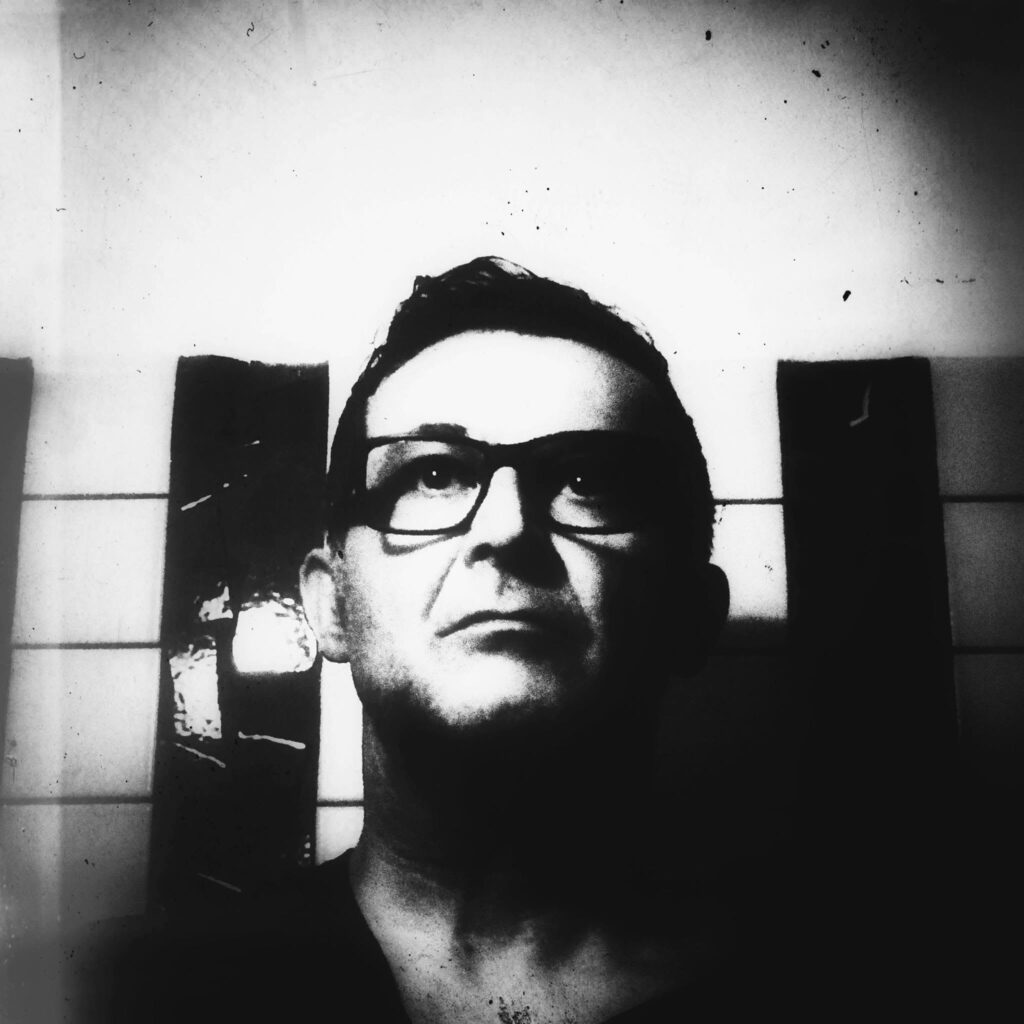
Dopo tanti anni passati a costruire immagini, c’è ancora qualcosa che insegui e che non sei riuscito a catturare davvero?
Sì. Credo di inseguire ancora ciò che un’immagine può far affiorare senza riuscire a trattenerlo del tutto: il tempo vissuto, la fragilità delle persone, la memoria che si deposita nei luoghi e nelle cose. Questa ricerca assume forme diverse nei due ambiti del mio lavoro.
«Più che un’immagine, inseguo una condizione. Mi interessa quel territorio liminale in cui realtà, memoria e immaginazione diventano indistinguibili. Ogni volta che credo di essermi avvicinato, si apre una nuova distanza.
L’arte, per me, non consiste nel catturare il mondo, ma nel rendere percepibile ciò che di solito resta invisibile: il passaggio del tempo, la fragilità della memoria, le zone d’ombra della coscienza. Nessuna fotografia, nessun video, nessun algoritmo può esaurire davvero questi aspetti. Ed è proprio questa impossibilità che continua ad alimentare il mio lavoro.»
Hai attraversato fotografia analogica, video, installazioni e nuove tecnologie. Cosa è rimasto identico nel tuo sguardo nonostante tutti questi cambiamenti?
«Più che una coerenza formale, riconosco nel mio percorso una coerenza di sguardo. Ho sempre considerato l’immagine non come una risposta, ma come uno strumento di indagine.
Dalla fotografia analogica alle pratiche generative contemporanee, il mio interesse è rimasto rivolto ai processi con cui costruiamo significato, memoria e identità. Ogni passaggio tecnologico ha ampliato il campo delle possibilità, ma non ha cambiato il nucleo della ricerca: esplorare le zone di instabilità tra reale e immaginario, presenza e assenza, visibile e invisibile.
Se qualcosa è rimasto identico nel mio sguardo, è proprio questa tensione verso ciò che non si lascia osservare direttamente, ma continua a manifestarsi attraverso le immagini.»
La fotografia analogica, il video, le installazioni e le tecnologie digitali hanno cambiato profondamente il mio modo di lavorare. Ogni linguaggio mi ha insegnato a vedere qualcosa di diverso: la materia, la durata, lo spazio, il rapporto con chi guarda. Sarebbe difficile dire che il mio sguardo sia rimasto del tutto identico. È rimasta, però, la domanda che lo muove: che cosa sopravvive di un’esperienza e come possiamo renderlo sensibile?

La tua ricerca sembra oscillare tra ciò che resiste al tempo e ciò che invece si trasforma continuamente. In questa oscillazione, dove senti che si colloca oggi il tuo sguardo?
«Non percepisco questi due aspetti come opposti, ma come parti inseparabili di uno stesso processo. Ogni forma di permanenza contiene già una trasformazione, e ogni trasformazione lascia inevitabilmente delle tracce.
La mia ricerca si sviluppa dentro questa dinamica. Mi interessa osservare come le immagini possano essere insieme archivio e metamorfosi, documento e interpretazione, memoria e reinvenzione.
Se dovessi collocare oggi il mio sguardo, direi che si trova in quel punto di equilibrio instabile tra ciò che permane e ciò che muta. È uno spazio di osservazione che non cerca di fermare il cambiamento, ma di comprenderne gli effetti sulla nostra percezione del reale.»
Oggi mi interrogo maggiormente su come le cose continuino a esistere attraverso il cambiamento. Anche un ricordo si modifica ogni volta che lo richiamiamo: porta con sé il passato e, insieme, il presente di chi ricorda.
Il mio sguardo si ferma lì, dove qualcosa persiste senza poter restare uguale. È una condizione in cui riconosco anche me stesso.
Riguardando lavori del passato, ti sembra di riconoscere ancora la stessa intenzione originaria oppure emergono letture che allora non ti appartenevano?
Riconosco ancora l’impulso da cui sono nati, anche quando oggi farei scelte diverse. Ritrovo un’urgenza, un’inquietudine, qualcosa che aveva attirato la mia attenzione prima ancora che riuscissi a comprenderne il motivo. Allo stesso tempo, il tempo rende visibili aspetti che allora non sapevo riconoscere. Alcune immagini sembrano aver custodito domande che ho imparato a formulare soltanto dopo.
Questo dipende anche dal fatto che il lavoro non si stabilizza mai dentro un solo linguaggio. Non ho mai operato con una forma espressiva unica o privilegiata: fotografia, video e pratiche sperimentali entrano in gioco di volta in volta non come appartenenze stilistiche, ma come strumenti adatti alla natura del problema che ogni progetto apre. In questo senso, il medium non precede il lavoro: emerge dal suo stesso sviluppo.
Con il tempo, l’opera tende a emanciparsi dall’intenzione iniziale e a produrre configurazioni di senso che non erano previste, né del tutto attribuibili al momento della sua nascita. Ciò che era marginale o implicito diventa progressivamente centrale, mentre altri livelli si dissolvono o si riconfigurano.
Questo slittamento non indica una perdita di controllo, ma una condizione strutturale del lavoro stesso: l’opera continua a generare letture anche quando non coincide più con la volontà originaria. L’intenzione, allora, non è un’origine fissa, ma una soglia che il tempo continua a riscrivere.
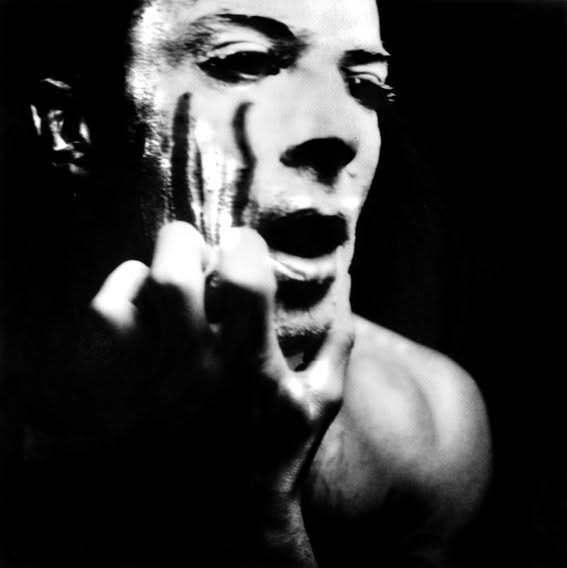
Nel tuo percorso hai lavorato molto su segni e trasformazioni. Ti colpisce di più il momento in cui qualcosa si stabilizza oppure quello in cui comincia a mutare?
Mi interessa il momento in cui una forma smette di essere quella che era, ma non è ancora diventata qualcos’altro.
La stabilità è un breve silenzio del processo, una pausa in cui il segno sembra fermarsi. Ma è nella mutazione che tutto accade davvero: quando l’immagine vacilla, si sposta, perde il suo contorno preciso e diventa possibilità.
È lì che guardo: nel punto in cui la forma non ha ancora scelto di diventare definitiva.
La tua ricerca è sempre stata legata alla sperimentazione. C’è stato un momento in cui un errore, un imprevisto o un fallimento ti hanno insegnato più di un successo?
Spesso quelli che potremmo definire fallimenti hanno prodotto un livello di informazione più significativo degli esiti riusciti, proprio perché interrompono una logica di controllo e introducono variabili non previste. In questo senso, l’imprevisto non è un’anomalia, ma una forma di rivelazione per una nuova strada creativa, modificando non solo l’esito dell’opera, ma anche la sua grammatica. Per questo non considero sempre l’errore come qualcosa da correggere a posteriori, ma come una componente attiva della ricerca.
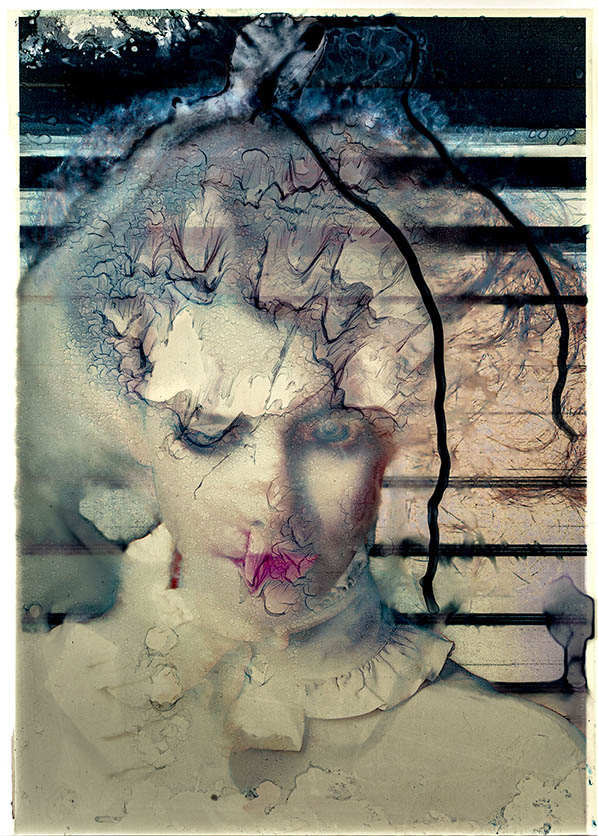
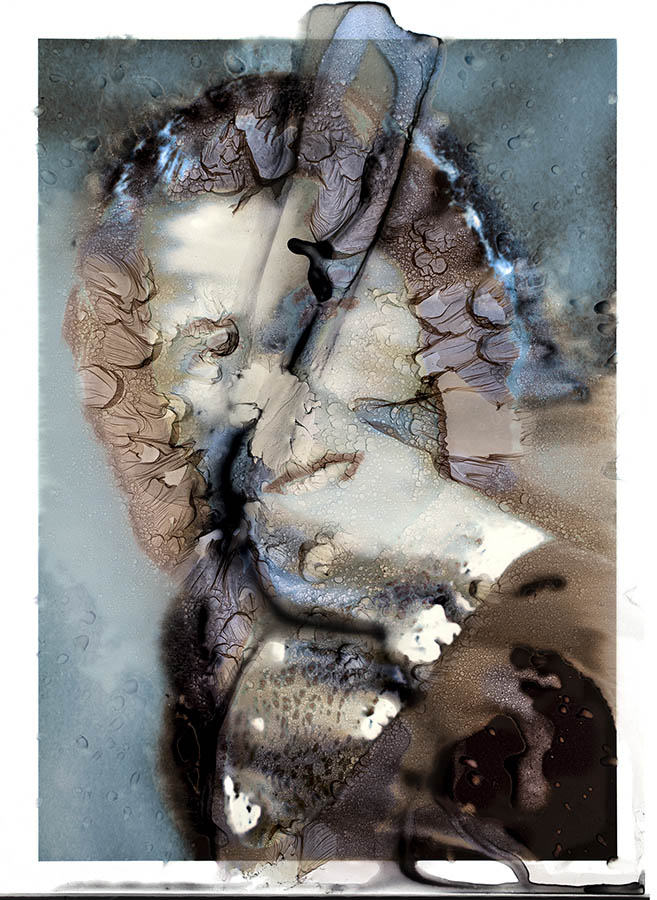
In questo momento sto lavorando proprio a un progetto in cui il danno e l’errore diventano forma e gesto creativo. Si intitola L’estetica del danno. Ne ho presentato un’anteprima a Roma quest’estate.
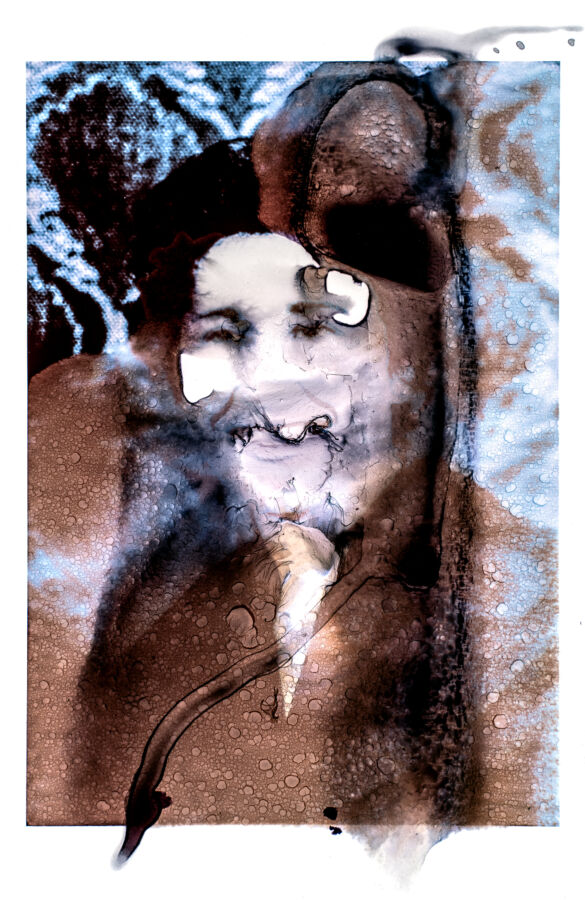
Oggi produciamo e consumiamo immagini in modo quasi compulsivo. Cosa rende, secondo te, una fotografia capace di fermare davvero lo sguardo di qualcuno?
In un regime di sovrapproduzione visiva, la capacità di una fotografia di fermare davvero lo sguardo non dipende tanto dalla sua eccezionalità iconica, quanto dalla sua resistenza alla lettura immediata.
Un’immagine efficace oggi non è necessariamente quella che comunica di più, ma quella che introduce una forma di attrito: qualcosa che rallenta il riconoscimento, che sospende la traduzione automatica tra ciò che si vede e ciò che si pensa di vedere. In questo senso, la fotografia non funziona più soltanto come documento o rappresentazione, ma come dispositivo di interruzione percettiva.
Ciò che trattiene lo sguardo è spesso una zona di ambiguità interna all’immagine: un punto in cui il segno non si stabilizza del tutto, ma continua a oscillare tra più letture possibili. È una condizione molto vicina a quella della mutazione: non la forma compiuta, ma la sua instabilità controllata.
Per questo non credo che una fotografia debba mostrare qualcosa di forte nel senso tradizionale. Credo piuttosto che debba mantenere aperto un margine di indeterminazione: è lì che lo sguardo si ferma, quando l’immagine non si esaurisce al primo riconoscimento, ma continua a lavorare mentre viene osservata.
Nei tuoi lavori c’è spesso una dimensione di meraviglia. Pensi che lo stupore sia ancora una forma di conoscenza oppure sia diventato soltanto intrattenimento?
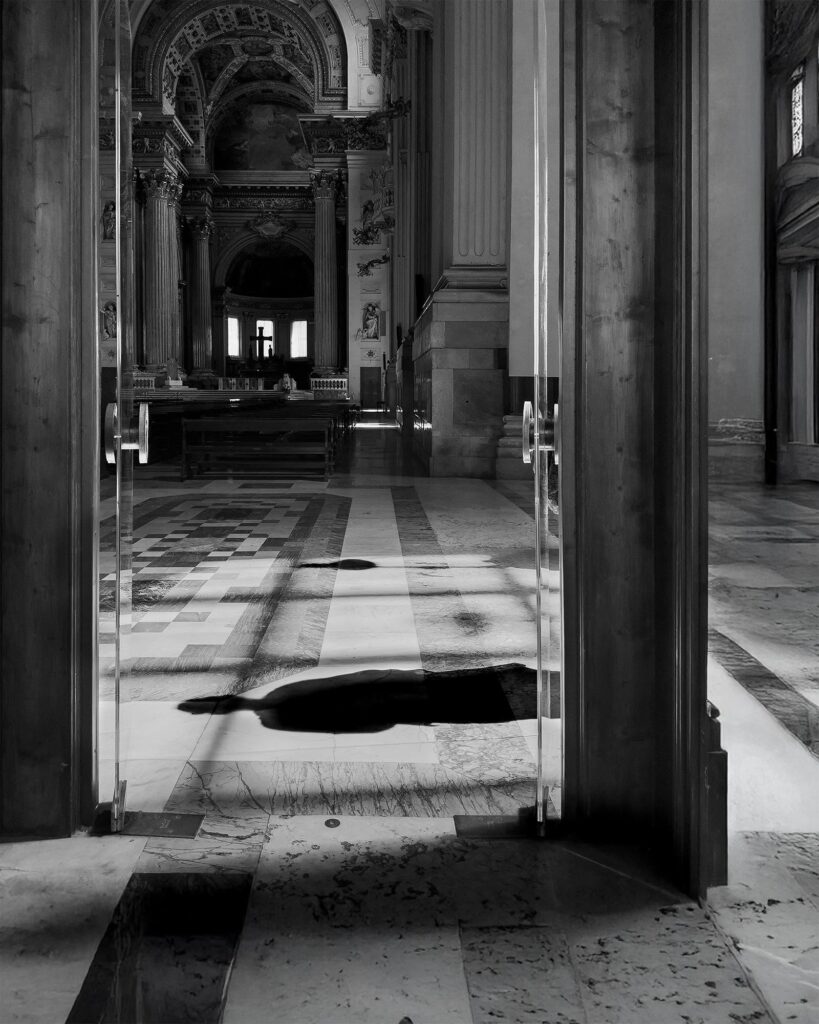
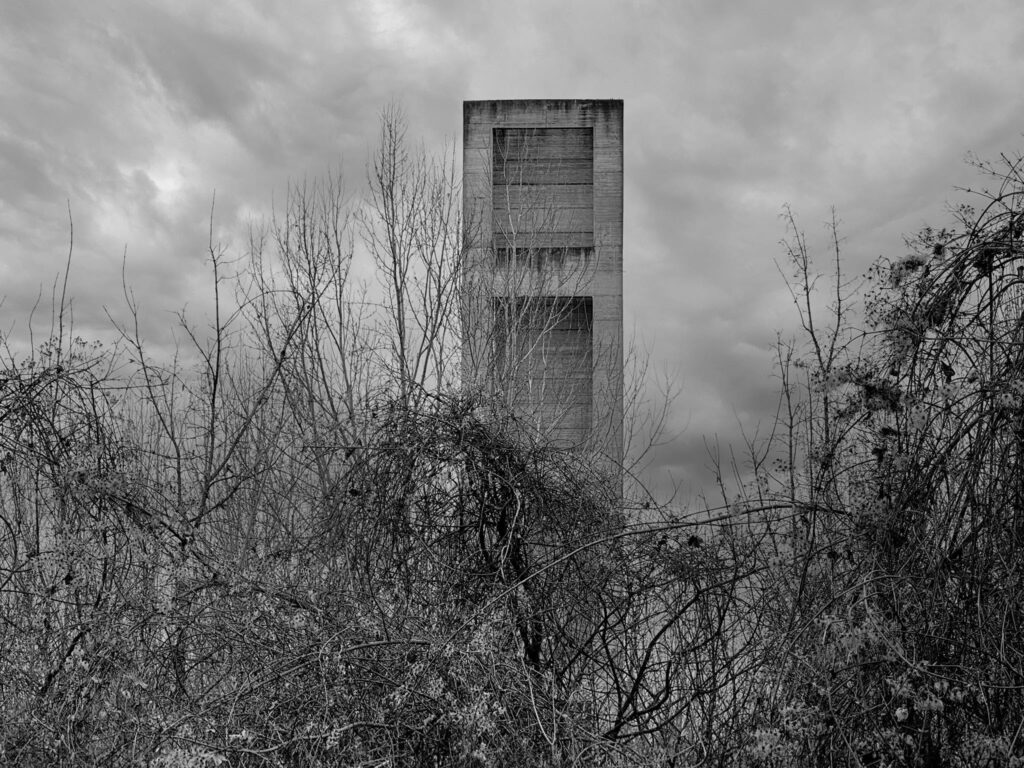
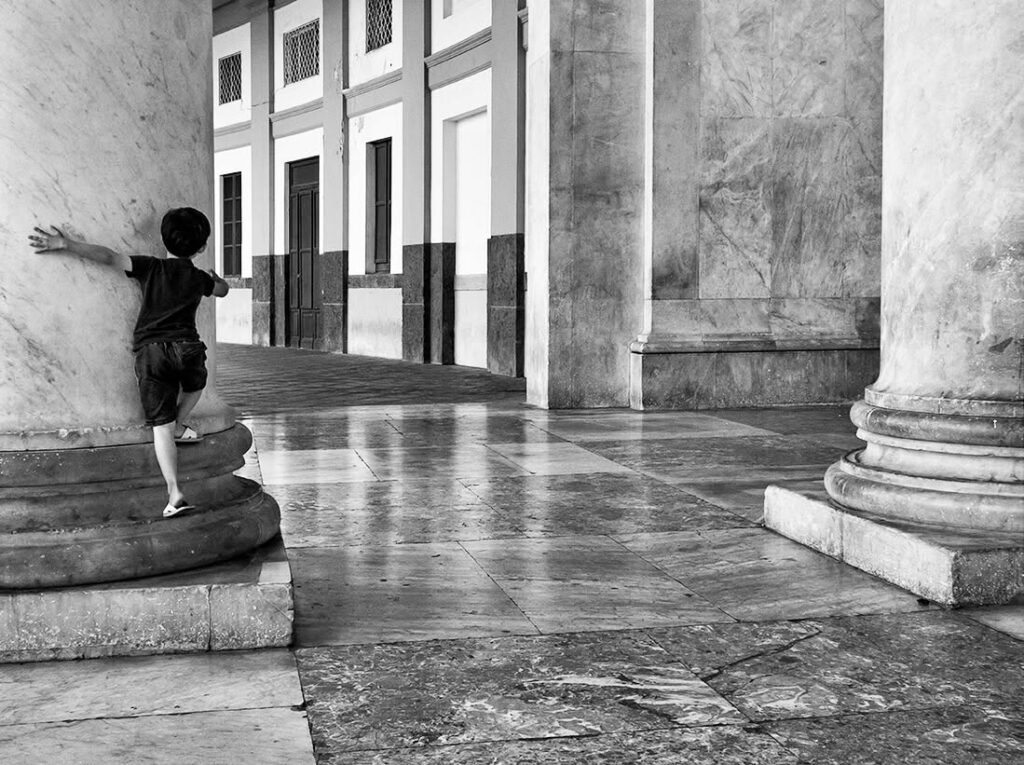
La «meraviglia» che forse evocano alcune mie immagini attinge direttamente da una sezione specifica del mio lavoro, quella legata alla ricerca e alla sperimentazione pura. Sono opere che nascono da manipolazioni manuali su materiali fotografici, attraverso l’uso di gocce d’acqua, interventi pittorici e alterazioni fisiche; una direzione che in passato mi ha portato anche ad avere il riconoscimento della Fondazione Polaroid, che ha sponsorizzato la mia ricerca per alcuni anni. Ma questa è solo una parte del percorso. Contemporaneamente, la mia ricerca autoriale è composta da un genere documentativo molto poetico, minimalista e iconico, che attinge a piene mani nella memoria collettiva. È in questo equilibrio che si compie la mia visione, perché amo sopra ogni cosa una fotografia dove la poesia e la normalità arrivano più forti di qualsiasi stupore.

Se dovessi scegliere tra raccontare una storia e creare un’emozione, quale delle due cose viene prima quando inizi un nuovo progetto?
L’emozione funziona come un primo segnale di orientamento: non è un contenuto da tradurre, ma una condizione che indica la direzione possibile del lavoro. È una forma di intensità percettiva che precede la costruzione narrativa e, in un certo senso, la attiva. Allo stesso tempo, la narrazione non arriva dopo in senso lineare, ma si sviluppa come struttura che dà forma a quella tensione iniziale.
C’è quindi un movimento reciproco: l’emozione orienta la costruzione del racconto, e il racconto, una volta avviato, retroagisce sull’emozione, la definisce, la precisa, a volte la modifica radicalmente. Non si tratta di un rapporto gerarchico stabile, ma di una continua oscillazione tra sensazione e struttura.
In questo senso, l’inizio di un progetto non è mai puramente narrativo, ma nemmeno puramente emotivo: è piuttosto una condizione emotiva che apre la possibilità della narrazione, e una narrazione che a sua volta ridefinisce continuamente la qualità emotiva del lavoro.
Guardando il percorso che hai costruito, qual è la domanda che continua ad accompagnarti come artista e che ancora non ha trovato una risposta definitiva?
La domanda che continua ad attraversare il mio lavoro riguarda il rapporto tra controllo e abbandono nel processo di costruzione dell’immagine: fino a che punto un’opera può essere guidata senza perdere la sua capacità di produrre ciò che non era previsto.
È una questione che non si esaurisce mai perché si ripresenta ogni volta in forme diverse, a seconda del medium, del contesto e del tipo di dispositivo che attivo. Da un lato c’è la necessità di costruire una struttura formale e concettuale sufficientemente precisa da rendere il lavoro leggibile; dall’altro c’è la necessità opposta di lasciare che il processo introduca elementi che eccedono quella struttura.
Nel mio percorso, fotografia, video e pratiche sperimentali non sono mai stati linguaggi chiusi, ma ambienti diversi attraverso cui questa tensione si riformula continuamente. Ogni scelta tecnica o formale diventa una negoziazione tra intenzione e deriva, tra progetto e accidentale.
Forse è proprio questo il punto che rimane aperto: capire non tanto come risolvere la tensione, ma come mantenerla attiva senza ridurla a un equilibrio stabile. Perché nel momento in cui si stabilizza completamente, smette anche di produrre ricerca.
C’è un’immagine che non hai mai realizzato e che senti ancora come una mancanza?
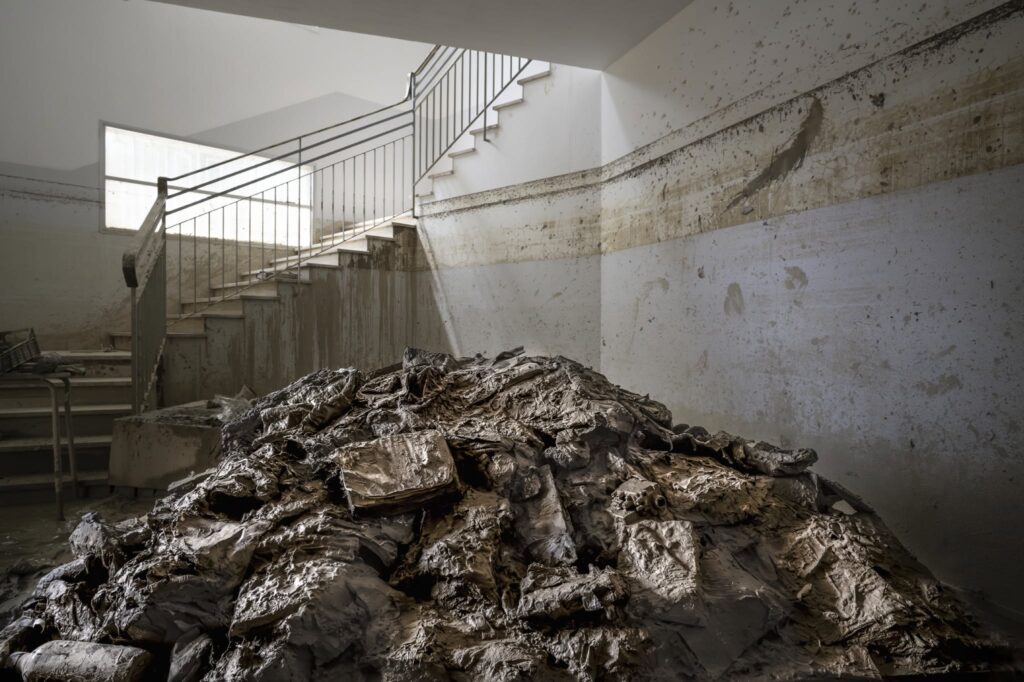
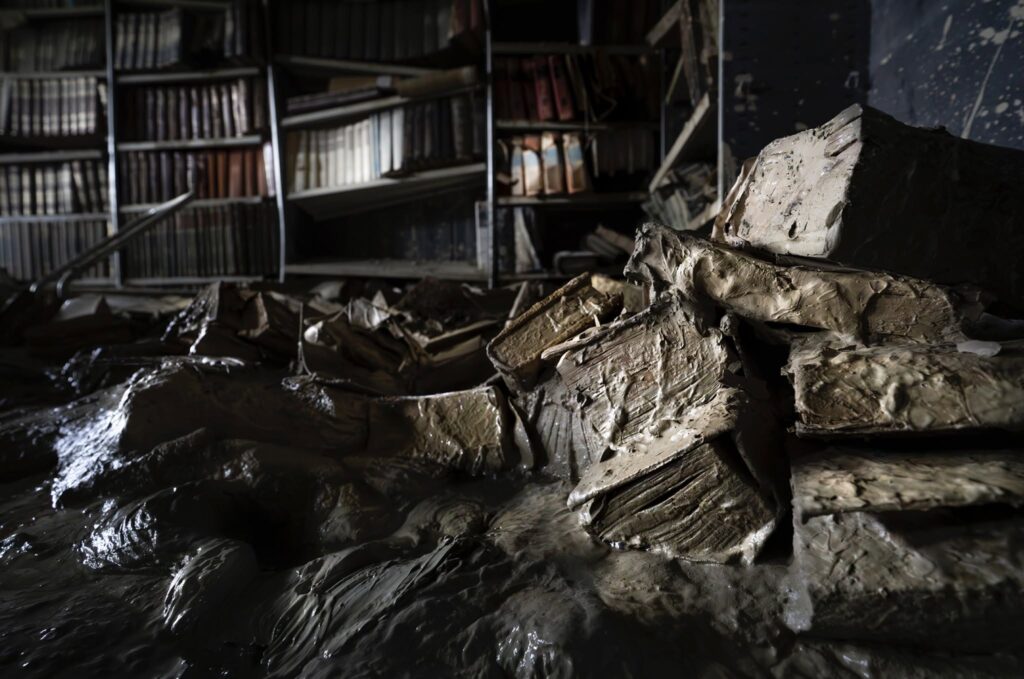
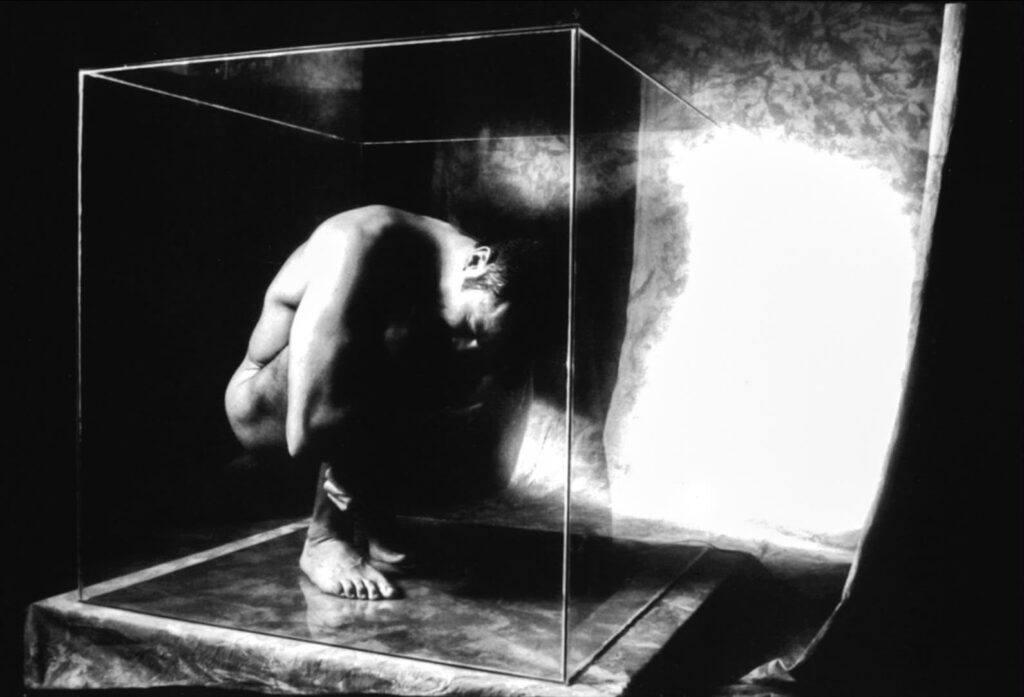
Non si tratta di un contenuto da rappresentare, ma di una tensione emotiva, qualcosa che non si è mai completamente risolto e che continua a emergere come forma di risonanza interna, più che come ricordo definito. È una presenza che non si stabilizza mai del tutto, e proprio per questo rimane attiva, difficile da collocare in una narrazione coerente.
In questo senso, la mancanza non riguarda l’assenza di un’immagine, ma la difficoltà di dare forma a una complessità affettiva che resiste alla sua trasformazione. È uno spazio emotivo che continua a oscillare e che probabilmente non chiede una risoluzione, ma una forma di attraversamento, che spero di superare realizzando un bel progetto su mio padre.
Le opere presentate in questo articolo e quelle documentate sul sito ufficiale dell’artista sono disponibili per progetti espositivi, mostre e installazioni, con possibilità di configurazioni allestitive in relazione alle specificità degli spazi e dei contesti ospitanti.
Every creative process involves a degree of divergence between what one intends to create and what actually takes shape as the work unfolds. In the realm of image-making, this distance takes on particular significance: photographic materials respond, tools introduce variables, and procedures produce outcomes that do not always correspond to initial expectations. It is precisely within this discrepancy that new directions for artistic research may emerge. Andrea Bernabini makes this an integral part of his practice, recognising in the unexpected an agency that goes beyond the role of a mere technical accident.
His work encompasses different languages and media, from analogue photography to digital processing, from video to multimedia installations. Yet it would be reductive to interpret this plurality as a succession of technological experiments. What is most interesting lies in the way each medium is chosen in relation to the question being explored. It is not the language that determines the work in advance; rather, it is the creative problem that suggests the most appropriate tools for its development. This distinction frees his research from a purely formal classification and restores the process to a central position.
From this perspective, error also takes on a different meaning. It does not necessarily represent a departure from the intended path: it can alter the rules of the operation, introduce unexpected elements, and suggest a solution that planning alone would never have contemplated. Altered materials, compromised marks and manipulated images thus become part of an investigation into the very possibilities of form. It is no coincidence that Bernabini has devoted a project to this subject, The Aesthetics of Damage, in which alteration takes on a distinct expressive significance.
Alongside his experimental research, his authorial photography retains a documentary, poetic and minimalist vocation. These are two distinct directions that should not be conflated, yet together they convey the breadth of his relationship with the image: on the one hand, intervention upon the material itself; on the other, an attentiveness to a reality that does not necessarily require effects to acquire visual force. In both, however, we find a conception of the artwork that moves beyond the simple representation of what is visible.
The conversation with Bernabini therefore revolves around a central question: to what extent can an image be controlled before that control begins to limit its possibilities? And what value should be attributed to whatever escapes the artist’s intention during its creation? His answers offer insight into a practice that does not regard the artwork as a definitively accomplished result, but as a process capable of generating meanings that extend beyond the intentions from which it originated.
© Giuseppina Irene Groccia, 2026. All rights reserved.
After so many years spent creating images, is there still something you pursue that you have not yet managed to capture fully?
Yes. I believe I am still pursuing what an image can bring to the surface without ever managing to hold onto it completely: lived time, the fragility of people, the memory that settles into places and things. This search takes different forms in the two areas of my work.
“More than an image, I pursue a condition. I am interested in that liminal territory where reality, memory and imagination become indistinguishable. Every time I believe I have come close, a new distance opens up.
For me, art does not consist in capturing the world, but in making perceptible what usually remains invisible: the passage of time, the fragility of memory, the shadowy areas of consciousness. No photograph, no video, no algorithm can ever fully exhaust these aspects. And it is precisely this impossibility that continues to fuel my work.”
You have explored analogue photography, video, installations and new technologies. What has remained unchanged in your way of seeing despite all these changes?
“Rather than a formal consistency, I recognise a consistency of vision throughout my journey. I have always considered the image not as an answer, but as a tool for investigation.
From analogue photography to contemporary generative practices, my interest has remained focused on the processes through which we construct meaning, memory and identity. Each technological transition has expanded the field of possibilities, but it has not changed the core of my research: exploring the unstable zones between reality and imagination, presence and absence, the visible and the invisible.
If something has remained unchanged in my way of seeing, it is precisely this inclination towards what cannot be observed directly, yet continues to manifest itself through images.”
Analogue photography, video, installations and digital technologies have profoundly changed the way I work. Each language has taught me to see something different: material, duration, space, the relationship with the viewer. It would be difficult to say that my gaze has remained entirely unchanged. What has remained, however, is the question that drives it: what survives of an experience, and how can we make it perceptible?
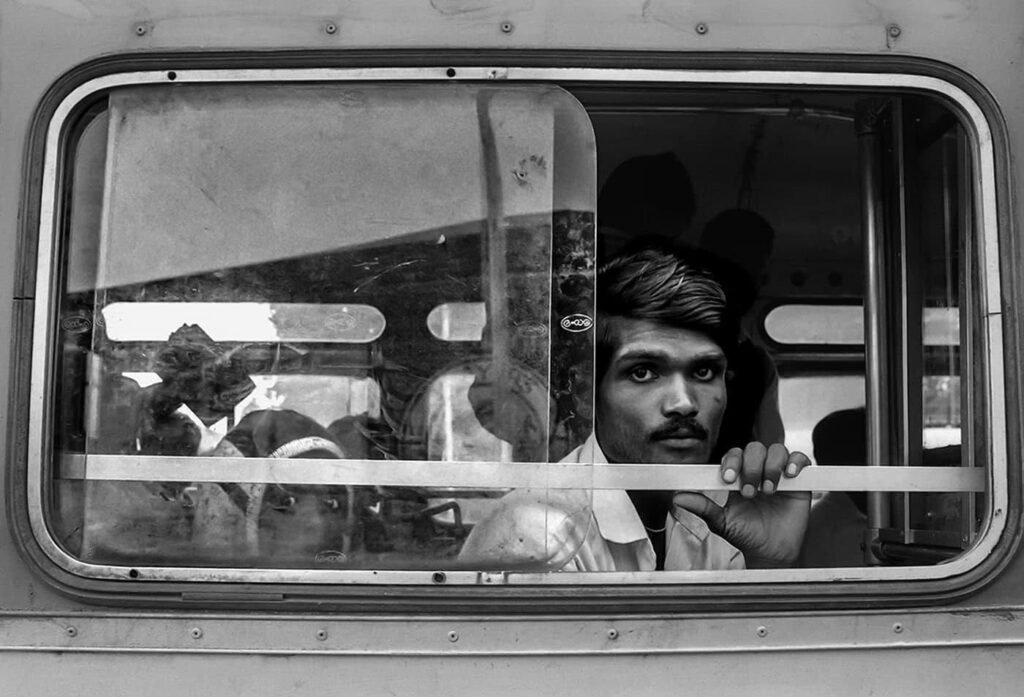
Your research seems to move between what withstands time and what, instead, is constantly transformed. Within this movement, where do you feel your gaze is positioned today?
“I do not perceive these two aspects as opposites, but as inseparable parts of the same process. Every form of permanence already contains a transformation, and every transformation inevitably leaves traces.
My research unfolds within this dynamic. I am interested in observing how images can be archive and metamorphosis, document and interpretation, memory and reinvention at the same time.
If I had to locate my gaze today, I would say it lies at that point of unstable balance between what endures and what changes. It is a space of observation that does not seek to stop change, but to understand its effects on our perception of reality.”
Today, I find myself questioning more deeply how things continue to exist through change. Even a memory changes every time we recall it: it carries the past and, at the same time, the present of the person remembering.
My gaze lingers there, where something persists without being able to remain the same. It is a condition in which I also recognise myself.
When you look back at your earlier works, do you still recognise the same original intention, or do interpretations emerge that did not belong to you at the time?
I still recognise the impulse from which they were born, even when today I would make different choices. I rediscover an urgency, a sense of unease, something that had caught my attention before I was able to understand why. At the same time, the passage of time brings aspects to light that I was unable to recognise back then. Some images seem to have preserved questions that I have only learned to formulate later.
This also depends on the fact that a work never settles into a single language. I have never worked with one exclusive or privileged form of expression: photography, video and experimental practices come into play each time, not as stylistic affiliations, but as tools suited to the nature of the problem raised by each project. In this sense, the medium does not precede the work: it emerges through its own development.
Over time, the work tends to emancipate itself from its initial intention and produce configurations of meaning that were neither anticipated nor entirely attributable to the moment of its creation. What was once marginal or implicit gradually becomes central, while other layers dissolve or are reconfigured.
This shift does not indicate a loss of control, but rather a structural condition of the work itself: the artwork continues to generate interpretations even when it no longer coincides with the original intention. Intention, then, is not a fixed point of origin, but a threshold that time continues to rewrite.
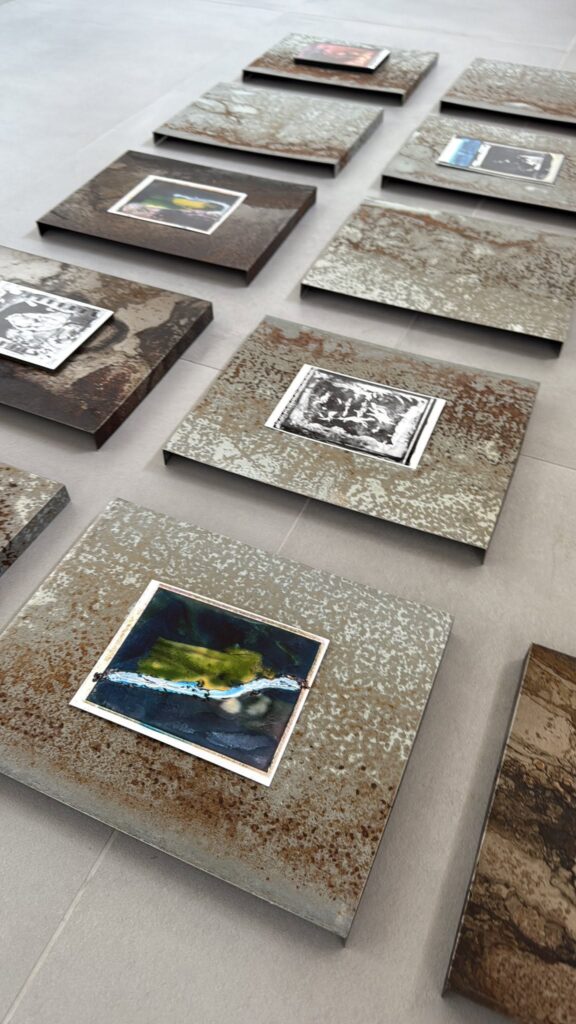
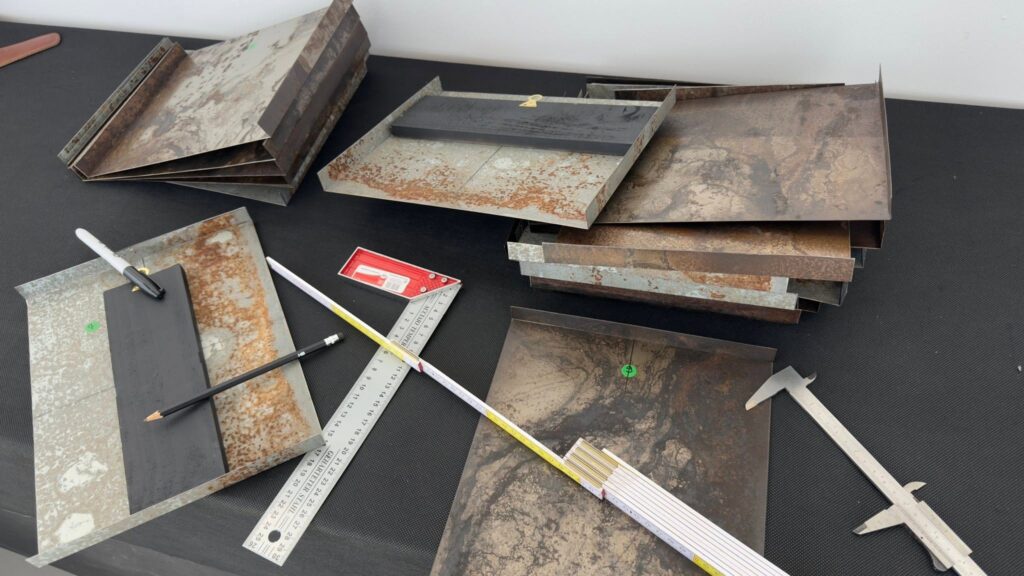
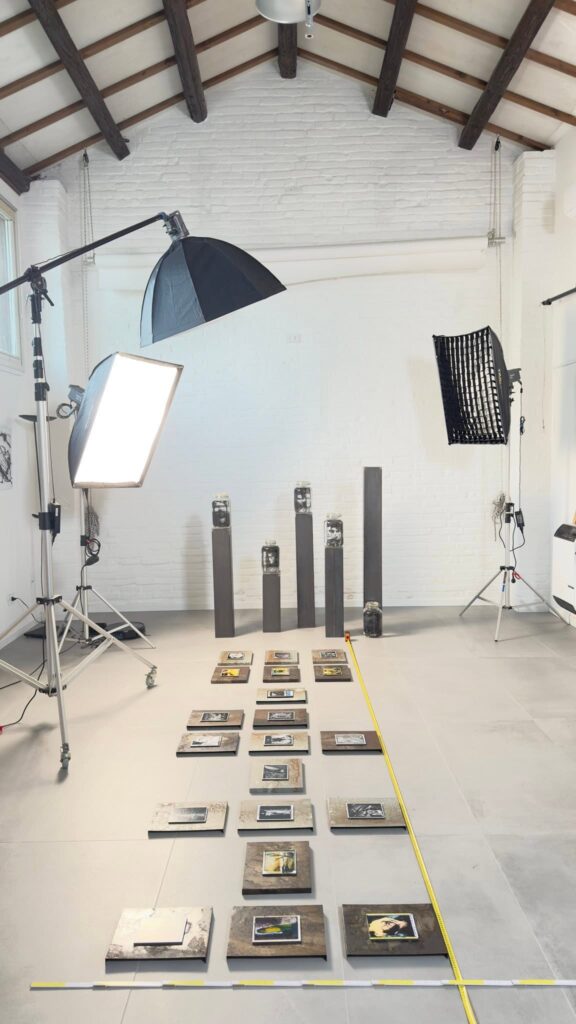
Throughout your career, you have worked extensively with signs and transformations. Are you more drawn to the moment when something takes shape and becomes stable, or to the moment when it begins to change?
I am interested in the moment when a form ceases to be what it was, but has not yet become something else.
Stability is a brief silence within the process, a pause in which the sign seems to come to a halt. But it is in transformation that everything truly happens: when the image wavers, shifts, loses its precise outline and becomes possibility.
That is where I look: at the point where the form has not yet chosen to become definitive.
Your research has always been closely connected to experimentation. Has there ever been a moment when an error, an unexpected event or a failure taught you more than a success?
Often, what we might call failures have produced a more significant level of information than successful outcomes, precisely because they interrupt a logic of control and introduce unforeseen variables. In this sense, the unexpected is not an anomaly, but a form of revelation that can lead to a new creative path, changing not only the outcome of the work, but also its very grammar. For this reason, I do not always consider error something to be corrected afterwards, but rather an active component of the research process.
At the moment, I am working on a project in which damage and error become form and creative gesture. It is entitled The Aesthetics of Damage. I presented a preview in Rome this summer.
Today, we produce and consume images almost compulsively. In your opinion, what makes a photograph capable of truly arresting someone’s gaze?
In an age of visual overproduction, a photograph’s ability to truly hold someone’s gaze depends less on its iconic exceptionality than on its resistance to immediate interpretation.
An effective image today is not necessarily one that communicates the most, but one that introduces a form of friction: something that slows down recognition, suspending the automatic translation between what we see and what we think we are seeing. In this sense, photography no longer functions solely as documentation or representation, but as a device for interrupting perception.
What holds the gaze is often a zone of ambiguity within the image itself: a point where the sign does not fully settle, but continues to oscillate between several possible interpretations. This condition is closely related to that of mutation: not the completed form, but its controlled instability.
For this reason, I do not believe that a photograph must show something powerful in the traditional sense. Rather, I believe it should preserve a margin of indeterminacy: that is where the gaze comes to rest, when the image is not exhausted by the first act of recognition, but continues to work within us as we observe it.
There is often a sense of wonder in your work. Do you think astonishment is still a form of knowledge, or has it become merely a form of entertainment?
The sense of “wonder” that some of my images may evoke draws directly from a specific area of my work, the one devoted to research and pure experimentation. These works arise from manual manipulations of photographic materials, through the use of water droplets, painterly interventions and physical alterations. This line of research also led me, in the past, to receive recognition from the Polaroid Foundation, which sponsored my work for several years. But this is only one part of my journey. At the same time, my authorial research consists of a highly poetic, minimalist and iconic documentary genre, which draws extensively on collective memory. This is where my vision finds its fulfilment, because above all else, I love a kind of photography in which poetry and ordinary life come through more powerfully than any sense of wonder.
If you had to choose between telling a story and creating an emotion, which of the two comes first when you begin a new project?
Emotion functions as an initial signal of orientation: it is not content to be translated, but a condition that points towards the possible direction of the work. It is a form of perceptual intensity that precedes the construction of a narrative and, in a certain sense, sets it in motion. At the same time, the narrative does not follow afterwards in a linear way, but develops as a structure that gives shape to that initial impulse.
There is therefore a reciprocal movement: emotion guides the construction of the story, while the story, once set in motion, feeds back into the emotion, defining it, refining it and sometimes radically changing it. This is not a relationship governed by a fixed hierarchy, but a continuous oscillation between sensation and structure.
In this sense, the beginning of a project is never purely narrative, but neither is it purely emotional: rather, it is an emotional condition that opens up the possibility of a narrative, while the narrative itself continually redefines the emotional quality of the work.

Looking back at the path you have built, what question continues to accompany you as an artist, one that has yet to find a definitive answer?
The question that continues to run through my work concerns the relationship between control and surrender in the process of constructing an image: to what extent can a work be guided without losing its ability to produce something unforeseen?
It is a question that never comes to an end, because it reappears in different forms each time, depending on the medium, the context and the type of device I activate. On the one hand, there is the need to construct a formal and conceptual structure precise enough to make the work readable; on the other, there is the opposite need to allow the process to introduce elements that exceed that structure.
Throughout my career, photography, video and experimental practices have never been closed languages, but different environments through which this tension is continually reformulated. Every technical or formal choice becomes a negotiation between intention and drift, between design and the accidental.
Perhaps this is precisely the point that remains open: understanding not so much how to resolve this tension, but how to keep it active without reducing it to a stable balance. Because the moment it becomes completely settled, it also ceases to generate research.
Is there an image you have never created but still feel as something missing?
It is not a matter of content to be represented, but of an emotional tension, something that has never been fully resolved and continues to emerge as a form of inner resonance rather than as a clearly defined memory. It is a presence that never quite settles, and for this very reason remains active, difficult to place within a coherent narrative.
In this sense, the sense of absence does not concern the lack of an image, but the difficulty of giving form to an emotional complexity that resists transformation. It is an emotional space that continues to oscillate and probably does not ask for resolution, but for a form of passage through it, which I hope to overcome by creating a beautiful project about my father.
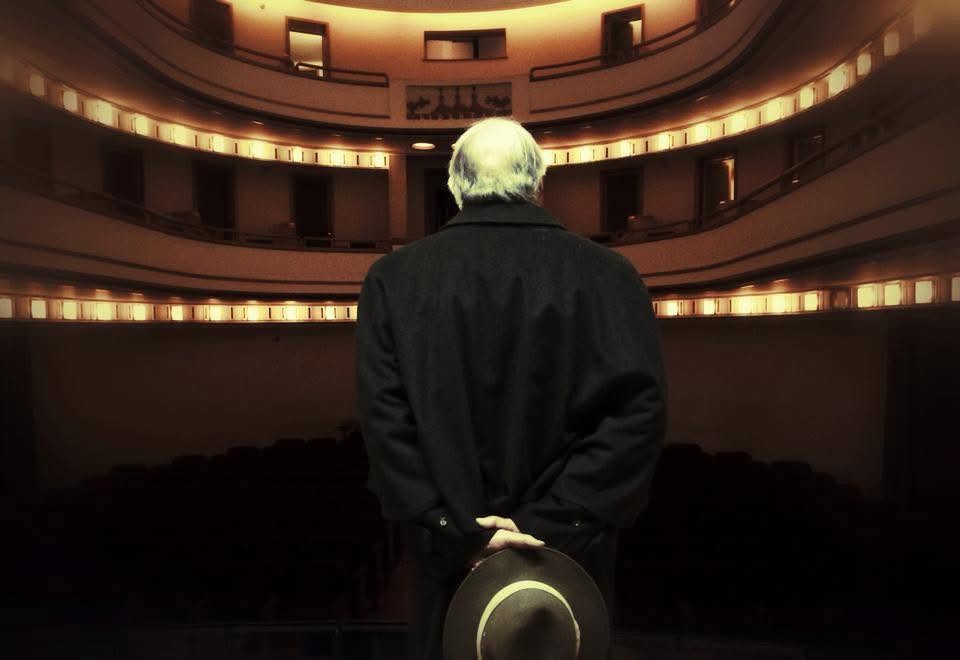
The works featured in this article, as well as those presented on the artist’s official website, are available for exhibition projects and installations, with bespoke display solutions tailored to the specific characteristics of each venue and exhibition context.